
A Note Before You Read PTSD looks different for everyone. While the experiences shared in this post reflect common themes that some people with PTSD relate to, they don't speak for every individual living with trauma. There’s no single way PTSD shows up, and no “right” way to feel or heal. This blog is meant to offer a glimpse into one perspective—if it resonates with you or helps you better understand someone you care about, that’s what it’s here for. If your experience looks different, that’s valid too. What is PTSD? Post-Traumatic Stress Disorder (PTSD) is often misunderstood, misrepresented, and misjudged. For those who live with it, daily life can feel like walking through invisible minefields—never knowing what might trigger overwhelming emotions or memories. If you love someone with PTSD, or even if you just want to be a more compassionate human, here are five powerful truths from someone who lives it every day. 1. We Are Not Wounded Animals Please don’t look at us like we’re broken or lesser than. PTSD isn’t a weakness—it’s a response to things most people can’t even imagine enduring. When you treat someone with PTSD as fragile or unstable, it can feel more alienating than helpful. We’re not projects. We’re people. With strength. With stories. With value. 2. Anger Is a Symptom, Not the Whole Story Sometimes, the pain and chaos inside spill out as anger. Outbursts may come off as aggressive, but they’re often rooted in fear, shame, or trauma. That doesn’t excuse harmful behavior—boundaries are essential—but when you see anger, know that there’s often a storm underneath. We’re not heartless. We’re hurting. 3. We Need You, Even If We Don’t Know How to Ask It’s hard to say “I need help” when you’ve been trained to survive on your own. Many of us with PTSD, especially veterans and survivors, value loyalty above almost everything. If you stick by us, if you keep showing up—even in the quiet moments—we notice. We remember. And we begin to trust. That trust can be the difference between isolation and healing. 4. Suicidal Thoughts Are Not About Attention—They’re About Belief When we talk about not wanting to be here, it’s because we truly believe the people we love would be better off without us. That’s how deep the self-blame can go. If you hear these words from someone with PTSD, don’t minimize it. Counter it. Tell them they matter. Again, and again. Prove them wrong with your words and your presence. That truth might save their life. 5. Don’t Be Afraid of Us—Respect and Value Us Many people with PTSD have lived through hell and still carry a deep sense of service, loyalty, and care for others. We’re not dangerous—we’re protective. We’re not unpredictable—we’re hyperaware. And more than anything, we just want to be treated like any other human being: with respect, dignity, and value. Final Thought PTSD is not something we “get over.” It’s something we learn to live with—and with the right support, it doesn’t have to define us. If you’re in someone’s life who lives with PTSD, your patience, presence, and understanding are more powerful than you know. You don’t have to fix us. Just don’t walk away.
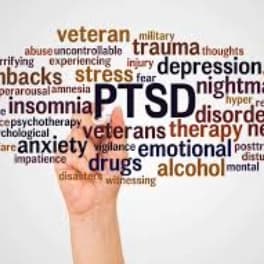
What People with PTSD Want You to Know
By Brittany Sperka, MSW, LCSW · June 13, 2025
Ready to get started?
Reach out today — our team is here to help you find the right fit.
Related posts
When Faith Becomes a Weapon: Spiritual Abuse, Mental Health, and Where to Find Help
Brittany Sperka, LCSW · September 16, 2026
Content note: this post discusses coercive control, domestic abuse, and suicide.
Read More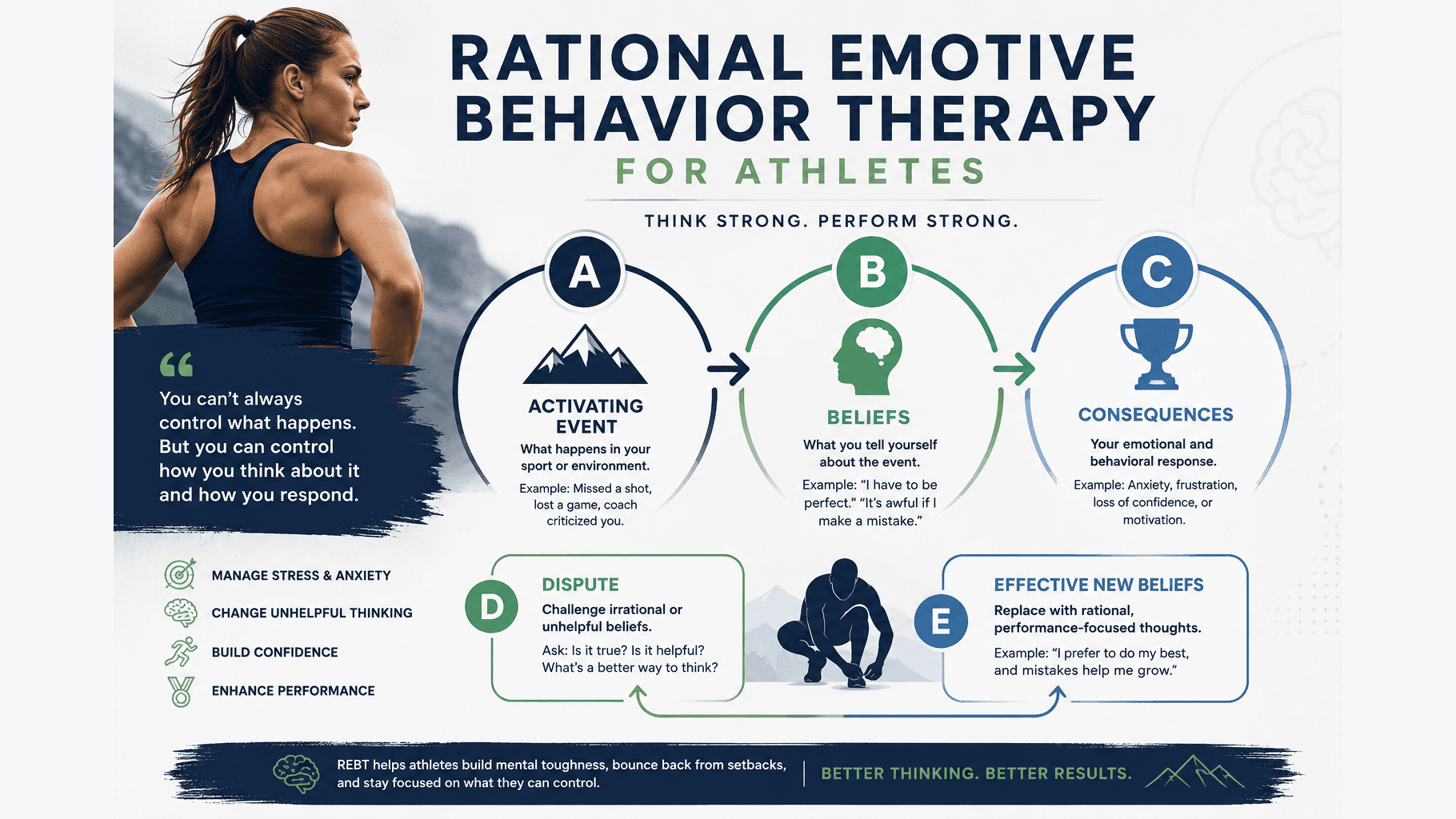
Boosting Your Game with Your Mind: An Introduction to REBT in Sport
Shelbi Goble, LMHC, Psy.D · September 14, 2026
Athletes spend countless hours training their bodies through building strength, speed, endurance, and technical skill. But performance isn’t just physical. The way athletes think in moments of pressure, mistakes, and uncertainty often…
Read More
Executive Functions: Procrastination vs. Task Initiation
James Shuler, LPC, CRC · September 11, 2026
Executive Function: Procrastination Versus Task Initiation
Read More