
As summer comes to an end, many children feel a little nervous about going back to school. A new teacher, unfamiliar classroom, changing routines, or the thought of being away from home can bring up worries—even for children who usually enjoy school.
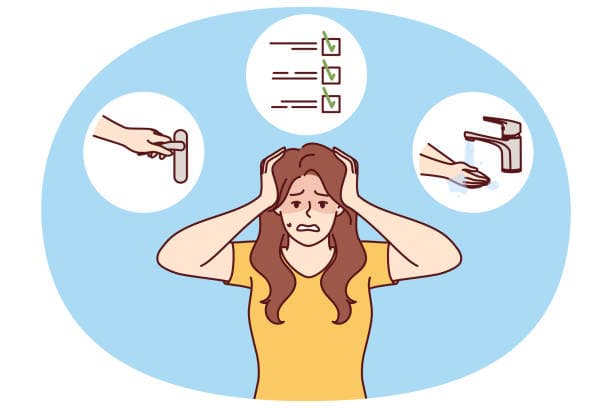
For some children, however, back-to-school worries go beyond typical nervousness. Anxiety may make it difficult to get out of bed, separate from a caregiver, enter the school building, complete assignments, take tests, or interact with peers. In some cases, anxiety and obsessive-compulsive disorder (OCD) may be contributing to school avoidance.
When symptoms begin interfering with a child's ability to attend school or participate in everyday activities, additional support can make a meaningful difference.
When Back-to-School Anxiety Becomes a Bigger Problem
Some anxiety around a new school year is normal. Children may experience butterflies in their stomach, have trouble sleeping the night before school, or worry about whether they will like their teacher or make friends.
For other children, anxiety can become overwhelming.
Parents may notice:
- Frequent stomachaches, headaches, or other physical complaints before school
- Crying, tantrums, or significant distress when it is time to leave for school
- Repeated requests to stay home
- Difficulty separating from a parent or caregiver
- Fear of being called on, making mistakes, or being judged by classmates
- Avoidance of tests, presentations, or specific classes
- Excessive reassurance-seeking about school
- Difficulty completing homework because of perfectionism or fear of making mistakes
- Avoidance of social situations or interactions with peers
- Repeated checking, rituals, or other compulsions before or during school
- Increasing absences or frequent visits to the school nurse
These behaviors are often a child's attempt to cope with overwhelming anxiety—not simply a refusal to cooperate.
Understanding School Avoidance
School avoidance can have many different causes. A child may be worried about separating from their caregiver, being away from home, failing a test, being embarrassed in front of peers, or facing a difficult academic or social situation.
Sometimes, the reason for avoidance is less obvious.
For a child with OCD, school may become difficult because of intrusive thoughts or fears. A child might worry that something terrible will happen to their family while they are at school, become afraid of contamination, fear making a serious mistake, or experience an intense need for things to feel "just right."
Compulsions and avoidance can then become ways of managing those fears.
For example, a child might repeatedly ask a parent for reassurance before school, check their backpack over and over, avoid using school bathrooms, or refuse to enter the classroom unless a particular routine has been completed.
Although these behaviors may temporarily reduce anxiety, they can unintentionally strengthen the anxiety over time.
Anxiety and OCD Can Look Different From Child to Child
There is no single way anxiety or OCD appears in children.
One child may become tearful and cling to a parent at drop-off. Another may complain of stomachaches every morning. Another may become frustrated, irritable, or angry when asked to go to school.
A child with OCD may not even recognize their behaviors as compulsions. They may simply feel that they have to do something before they can move on.
This is why understanding what is driving school avoidance is so important. Treatment works best when it addresses the underlying fear rather than focusing only on getting a child through the school doors.
How Therapy Can Help
Our Back-to-School Anxiety and OCD Program is designed to support children and families who are struggling with anxiety, school avoidance, or OCD symptoms that interfere with school.
Treatment may include several components:
Family Psychoeducation
Parents and caregivers play an important role in helping children manage anxiety. Therapy can help families understand how anxiety and OCD work, recognize patterns that may unintentionally maintain anxiety, and learn supportive ways to respond.
Rather than simply telling a child, "Don't worry," families can learn strategies that help children tolerate uncertainty and build confidence in their ability to handle difficult feelings. Parents and caregivers can work with their child and therapist to identify coping strategies they can help their child use to manage anxiety.
Exposure and Response Prevention (ERP)
For children experiencing OCD, Exposure and Response Prevention (ERP) is an evidence-based treatment that helps them gradually face feared situations while reducing their reliance on compulsions and avoidance.
ERP is individualized to each child's needs. A therapist may work with a child to develop a hierarchy of situations related to school and gradually practice facing those situations.
The goal isn't to make anxiety disappear before a child goes to school. Instead, children learn that they can experience anxiety and still move forward.
Building Anxiety-Management Skills
Children can learn practical skills for recognizing anxious thoughts, tolerating uncomfortable feelings, and responding to worries in healthier ways.
Depending on the child's needs, therapy may incorporate cognitive-behavioral strategies, coping skills, emotional regulation techniques, and age-appropriate activities to help children understand what is happening in their minds and bodies.
School Coordination
Returning to school successfully often requires support beyond the therapy office.
When appropriate and with the necessary permissions, therapists can coordinate with the child’s school support team. This can help adults respond consistently and create a plan that supports the child's progress without reinforcing avoidance or compulsive behaviors.
Supporting Your Child at Home
Parents often wonder what they should do when their child is anxious about school.
A few helpful principles include:
Listen without immediately trying to eliminate the anxiety.
Let your child know that you understand school feels difficult while also communicating confidence in their ability to handle it.
Avoid providing endless reassurance.
For children with anxiety or OCD, repeated reassurance can sometimes become part of the cycle. Instead of answering the same "What if?" question over and over, parents can help children practice tolerating uncertainty.
Keep routines predictable.
A consistent bedtime, morning routine, and school preparation routine can make transitions easier.
Celebrate brave behavior.
Notice when your child does something difficult despite feeling anxious. Progress isn't always about feeling calm—sometimes it is about taking the next step while feeling nervous.
Seek support when anxiety is interfering with daily life.
You don't have to wait until your child's school attendance or functioning has significantly declined before reaching out.
It's Not Too Early—or Too Late—to Ask for Help
Back-to-school anxiety can affect children in elementary school, middle school, and high school. Older students may experience anxiety related to academic performance, social relationships, independence, college preparation, or increased expectations.
Regardless of age, the goal is the same: help young people develop the skills and confidence they need to face challenges rather than allowing anxiety to make their world smaller.
If your child is struggling with school refusal, separation anxiety, test anxiety, social fears, or OCD symptoms that are making school difficult, therapy can provide a supportive place to understand what is happening and develop a plan for moving forward.
If back-to-school worries are becoming more than your child can manage on their own, consider reaching out for support. With the right tools and guidance, children can learn that anxiety does not have to be in charge of their school year.