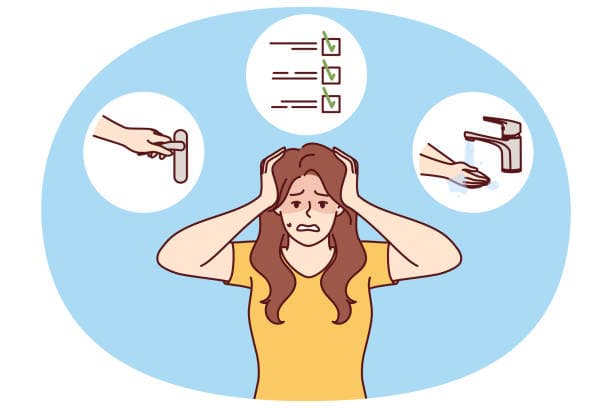

"You're doing great!" "You've got this!" "You make it look so easy!" "I know I can count on you!" These are very common statements a high-achieving professional may hear on a daily basis. But internally, the thoughts that follow often tell a very different story: I feel like I'm drowning. How do you even know I'm capable of that? My heart is racing—can they tell I'm barely holding it together? I can't even count on myself… How can you? Constant questions, constant doubt. You've already fought more internal battles getting to the office before even opening your email. You can't truly relax because there's always something you should be doing.
What Is High-Functioning Anxiety?
Anxiety is an experience for millions of people, often accompanied by symptoms that can significantly impact daily functioning, including in the workplace. This can lead to panic attacks and, in severe cases, an inability to work (Pederson, 2023). However, for some, anxiety remains hidden—its symptoms nearly undetectable from the outside. This is often described as high-functioning anxiety. "High-functioning anxiety" is not a formal clinical diagnosis, but is used to describe individuals who experience the symptoms of anxiety while still maintaining a high level of functioning. They attend meetings prepared and present with composure, yet question everything they have to say. They are dependable, yet often agree to every request—even when it's unrealistic. They are productive, efficient, and successful—but they don't believe it, and they don't think you do either. As a result, those experiencing high-functioning anxiety tend to overcompensate. They work extra hours, set unrealistic expectations, and exhaust themselves searching for signs that they are not doing as well as others believe (Hubbard, 2023). Over time, productivity can become both a coping mechanism and part of the problem. The more you achieve, the harder it feels to slow down. Many also experience intense fears of criticism, of appearing inadequate, or of losing control—a persistent sense that everything could fall apart at any moment. Ongoing high-functioning anxiety affects not only mental health but physical health as well, through symptoms such as headaches, gastrointestinal issues, muscle tension, increased heart rate, and difficulties with sleep and nutrition (Hubbard, 2023; Pederson, 2023).
How Therapy Can Help
Therapy can be a powerful starting point. It creates space to reflect, slow down, and begin identifying the beliefs that fuel anxiety. One common and effective approach is Cognitive Behavioral Therapy (CBT), which helps individuals recognize and reframe the thoughts that influence their emotions and behaviors. It can look like this:
- "I can't say no—they'll think I can't handle it" → Saying no to this project will allow me to show up more fully for the work that matters most.
- "I'm going to mess this up" → I might not do it perfectly, and that's okay—I am learning, just like everyone else.
- "I should be able to handle this" → I have a stressful job; anyone in my position would feel overwhelmed.
Beyond shifting thoughts, change also happens through small, intentional behaviors. Setting boundaries—like committing to a realistic end time for your workday or practicing saying no to tasks that can wait—can begin to interrupt the cycle. Prioritizing rest and non-productive time is not a failure of discipline; it is a necessary part of sustaining well-being. Therapy also provides accountability for these small but meaningful shifts.
Success Without the Cost
High-achieving professionals are often told, "You're doing great," or "I can count on you," while silently questioning if it's true. But doing more was never the answer. Learning how to step back, set limits, and trust yourself is. In that shift, success no longer comes at the cost of your well-being—it becomes something that exists alongside it. To work with a therapist who can assist in reframing thoughts and support you in your wellness journey, call Pillars of Wellness at (219) 323-3311.
References
Hubbard, L. (2023, July 11). Behind the mask: Managing high-functioning anxiety. Mayo Clinic Health System. https://www.mayoclinichealthsystem.org/hometown-health/speaking-of-health/managing-high-functioning-anxiety Pederson, C. (2023, September 25). The hidden dangers of high-functioning anxiety in the workplace. Axiom Medical. https://www.axiomllc.com/blog/dangers-high-functioning-anxiety-workplace/