DBT-Informed Service Line
About the Program
The DBT-Informed Service Line at Pillars of Wellness offers structured, skills-based therapy grounded in trauma-informed care. The program focuses on practical tools that support emotional regulation, distress tolerance, and healthier interpersonal functioning.
Services are provided by licensed clinicians trained in DBT-informed and evidence-based approaches, with emphasis on collaboration, consistency, and real-world application.
Who This Program Supports
This program is ideal for adults who:
- Feel out of touch with self and with others
- Experience difficulty regulating emotions or managing mood swings
- Struggle in relationships or with intense interpersonal conflict
- Engage in self-destructive behaviors (e.g., self-harm, disordered eating, substance use, self-destructive/impulsive behaviors)
- Are coping with trauma, stress, or symptoms related to borderline personality disorder (BPD)
- Want practical skills to manage distress and improve emotional resilience
Suitable for:
- Individuals
- Adults looking for peer support
- Small groups
- Staff teams through organizational partnerships
What You Can Expect
Weekly Individual Sessions
In-person or virtual sessions include:
- 30 minutes of client-centered therapy and check-in
- 30 minutes of DBT skill-building
- Personalized support to integrate skills into daily life
Weekly Virtual Group Sessions
Group sessions include:
- Diary card check-ins
- Supplemental DBT skills training
- Peer connection and shared learning
12-Week Program Structure
Weeks 1–2: Mindfulness
- Introduction to DBT and mindfulness
- Mindfulness – the three mind states
Weeks 3–5: Distress Tolerance
- Distraction, self-soothing, IMPROVE the moment
- Pros & cons, STOP, and TIPP
- Radical Acceptance – Turning the mind, willingness vs. willfulness
Weeks 6–8: Emotion Regulation
- What is emotion regulation? Why it matters, barriers, and behavior chain analysis skills
- Building positive emotions, living by values, building mastery, and coping ahead
- Self-care, PLEASE, opposite action, and checking the facts
Weeks 9–11: Interpersonal Effectiveness
- Introduction to interpersonal effectiveness, dialectics, middle ground, THINK skill
- Objective effectiveness with interpersonal relationships, DEAR MAN skill
- Relationship and self-respect effectiveness: GIVE and FAST skill
Week 12: Review & Transition
- Review all core skill areas: mindfulness, distress tolerance, emotion regulation, interpersonal effectiveness
- Plan next steps, treatment transition, and optional long-term care referrals
Transition & Treatment Completion: This is a short-term program. Providers assist clients in identifying long-term therapy options if desired. Clients are responsible for securing follow-up services.
All services are delivered in a culturally inclusive, trauma-informed, and judgment-free environment.
Program Impact
Participation in DBT-informed programs has been associated with measurable improvements based on clinical research, including:
Emotional Regulation
40–60% reduction in emotional dysregulation reported among DBT participants.
Self-Destructive Behaviors
30–50% reduction in self-destructive or impulsive behaviors.
Coping & Distress Tolerance
35–55% improvement in coping and distress-tolerance skills.
Crisis Prevention
50–70% reduction in suicide attempts compared to treatment as usual, and up to 60% reduction in self-harm behaviors.
Crisis Management
Improved crisis-management skills reported by over 70% of participants.
Statistics based on published clinical research on DBT-informed interventions. Individual results may vary.
Long-term outcomes reported by participants who continue skill use include:
- Up to 50% reduction in relapse or crisis-driven behaviors
- Increased confidence managing intense emotions
- Improved relationships, work functioning, and overall quality of life
Meet Our Clinicians
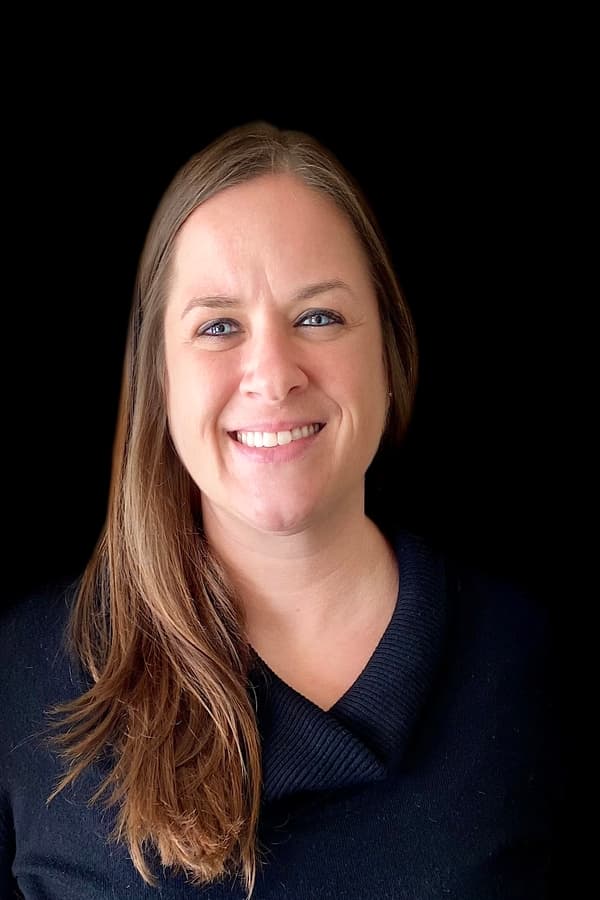
Licensed clinician specializing in DBT, emotional regulation, and skills-based interventions.

Licensed associate clinician focused on DBT-informed therapy and individualized skill-building.
Our DBT clinicians are licensed, trauma-informed professionals trained in DBT-informed and evidence-based interventions. Care is collaborative, strengths-based, and rooted in dignity and respect.
Pillars of Wellness is a community-based mental health organization providing therapy, education, and specialty programs across Indiana and surrounding regions.
Partnership Information
Pillars of Wellness partners with organizations seeking trauma-informed behavioral health support. Partnership options may include:
- Streamlined referrals and coordinated care
- Provider-to-provider consultation (with appropriate consent)
- Educational workshops on DBT skills and emotional regulation
- Support integrating behavioral health programming into organizational wellness initiatives
Interested in partnering?
Email: info@pillarsinspires.com | Phone: 219-323-3311
Applicant Information
Interested in joining our DBT-informed clinical team?
Pillars of Wellness is growing its DBT-informed clinical team and welcomes clinicians passionate about skills-based, trauma-informed care.
Team members receive:
- Clinical supervision from trauma-informed leadership
- A collaborative and flexible work environment
- Opportunities for professional growth and specialization
Healing Starts Here
Living with intense emotions or struggling to cope doesn't have to define your story. With the right skills and support, you can build a life that feels more manageable, connected, and meaningful. You don't have to do this alone. We're here to walk alongside you.
Email: info@pillarsinspires.com | Phone: 219-323-3311
Frequently Asked Questions
Who is this program for?
Adults seeking structured, skills-based therapy to improve emotional regulation, distress tolerance, and interpersonal effectiveness.
What does participation involve?
Weekly individual and/or group sessions focused on DBT-informed skills and practical application.
Is this individual therapy, group therapy, or both?
Services may include individual therapy, group sessions, or a combination.
Is the program in-person or virtual?
In-person, virtual, and hybrid options are available.
How do referrals or partnerships work?
Referrals and partnerships are coordinated directly with Pillars of Wellness, with consent-based communication as applicable.
Who provides the services?
Licensed, trauma-informed clinicians trained in DBT-informed and evidence-based interventions.
What happens after completion?
This is a short-term program. Providers assist with identifying next-step options; clients are responsible for securing follow-up care.
Continuing Education
Program-related continuing education courses are available for clinicians seeking to expand DBT-informed and skills-based competencies.
Ready to Get Started?
Our administrative team is here to help answer your questions and match you with the right clinician.