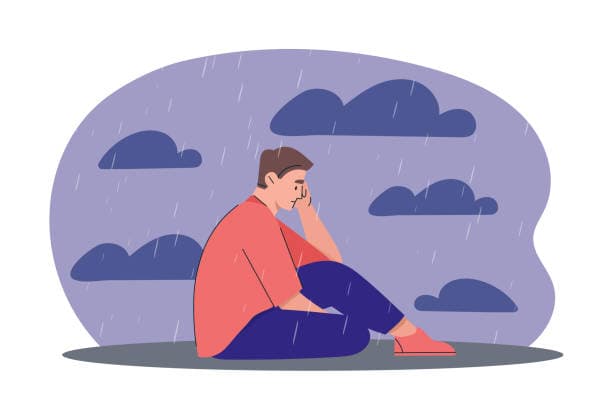
According to the Vital Statistics Rapid Release Report, there were 3,606,400 births in 2025. One in five of these mothers will experience a perinatal mental health disorder ranging from depression and anxiety to OCD. Awareness of these disorders is increasing, and yet there is still room for improved awareness, education, and crisis intervention. Although many women will experience a mood disorder during the perinatal period, many are unfamiliar with the signs and, therefore, will not reach out for help or support. Support and access to resources is critical during the perinatal stages. Parenthood can often be an isolating experience, and isolation, sleep deprivation, and fluctuations in hormones are risk factors for developing a mental health disorder (Sharma et al., 2023). The increase of responsibilities can also be very overwhelming even with appropriate support.
Signs of Postpartum Mood Disorders
According to the DSM-5th edition, some common signs of postpartum mood disorders may include:
- Excessive worrying
- Lack of interest in things that you used to enjoy
- Feeling sad or hopeless
- Inability to sleep, or wanting to sleep all the time
- Inability to concentrate
- Intrusive thoughts
- Feeling disconnected from your baby
- Thoughts of hurting yourself or your baby
- Recurrent thoughts of death or suicide
If you or someone you know is experiencing these symptoms, reach out for assistance through a healthcare provider or by calling the National Maternal Mental Health Hotline. Remember, feeling this way does not make you a bad parent, and it is okay to ask for help.
How to Help
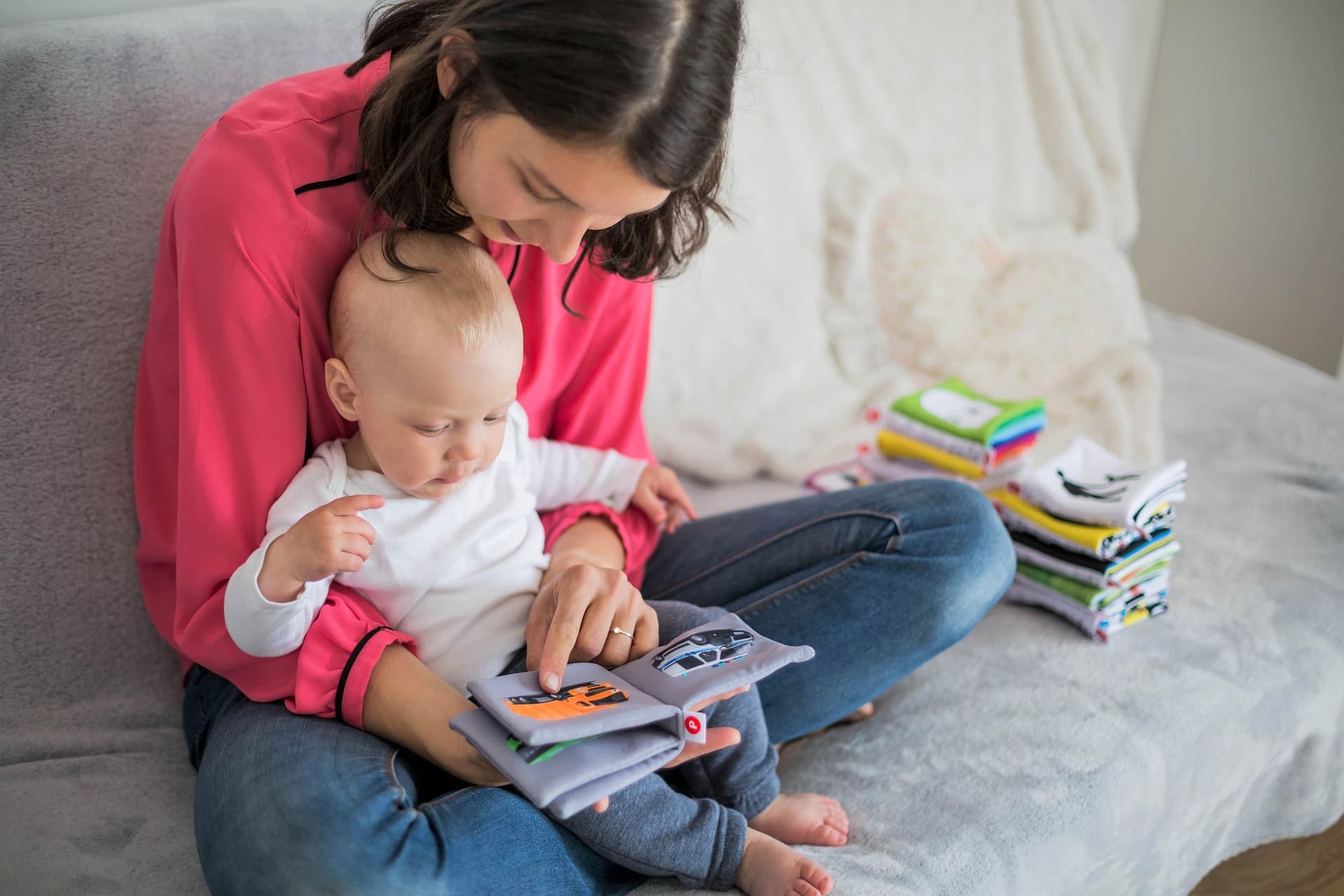
New parents need all the help and support they can get. If someone in your life is welcoming a new baby into their family, you can offer support by respecting their limitations with visitors, making meals for the family, offering to spend time with the baby so the mom can rest, taking on a few chores around the house to reduce the mental load, or simply listening to what the mom needs. Small steps can also make a big difference for new parents navigating their own wellbeing. Finding someone to talk to, getting outside, building in some movement, making mindful food choices, staying connected to others, and creating a flexible routine can all help. Expecting that some days will be better than others is part of the process.
Resources Available
Everyone needs support. Not only is it okay to ask for help, it is important that you ask for it, for the wellbeing of you, your baby, and your family. From the moment a baby is born, your entire reality changes. Allowing yourself to create a new routine and embrace flexibility will be pivotal in your transition to parenthood. Pillars of Wellness has a team of skilled therapists who specialize in maternal mental health. Whether you are seeking individual therapy, group support, or just looking for a bit of education, Pillars can support you. Additional resources include:
- Postpartum Support International — offers information about perinatal mental health and online support groups
- 988 Suicide & Crisis Lifeline
- National Maternal Mental Health Hotline
Also important to know: The Blue Dot is the symbol for maternal mental health, representing support and community for parents experiencing mental health struggles.
Community and Care
Having a community of support for new parents can help alleviate some of the stress that arises when welcoming a child into the family. It is important to note that each pregnancy and postpartum journey is different, and postpartum mental health disorders can arise after any pregnancy. If someone you know is welcoming a new member into the family, a few practical ways to offer support include organizing a meal train, collecting gift card donations, offering to cut their grass, or taking their trash to the curb. If you see someone struggling with the transition, share the resources above and encourage them to seek help. Motherhood can be challenging, but knowing that support is out there can make all the difference. During this Maternal Mental Health Awareness Month, take a few moments to offer encouragement to all the amazing moms in your life.
References
American Psychiatric Association. (2022). Diagnostic and statistical manual of mental disorders (5th ed., text rev.). https://doi.org/10.1176/appi.books.9780890425787 Sharma, V., Sharkey, K. M., Palagini, L., Mazmanian, D., & Thomson, M. (2023). Preventing recurrence of postpartum depression by regulating sleep. Expert review of neurotherapeutics, 23(8), 1–9. https://doi.org/10.1080/14737175.2023.2237194 Hamilton BE, Osterman MJK, Gregory ECW. Births: Provisional data for 2025. Vital Statistics Rapid Release. 2026 Apr;(43):1–7. https://dx.doi.org/10.15620/cdc/252434